
Chris Metzen, the legendary creative mind behind Warcraft’s most iconic storylines, has returned to Blizzard with World of Warcraft: Midnight serving as his most ambitious project since his original departure from the company. While Metzen has remained characteristically private about his direct creative process, his vision for the reunification of Quel’Thalas’s scattered elven peoples — Blood Elves, High Elves, Void Elves, and beyond — has become the defining narrative thread of the Midnight expansion. Through community appearances, BlizzCon presentations, and analysis from developers working closely with him, a clear picture has emerged of Metzen’s approach to one of Warcraft’s most complex and emotionally resonant storylines.
Metzen’s Vision for Elven Reunification
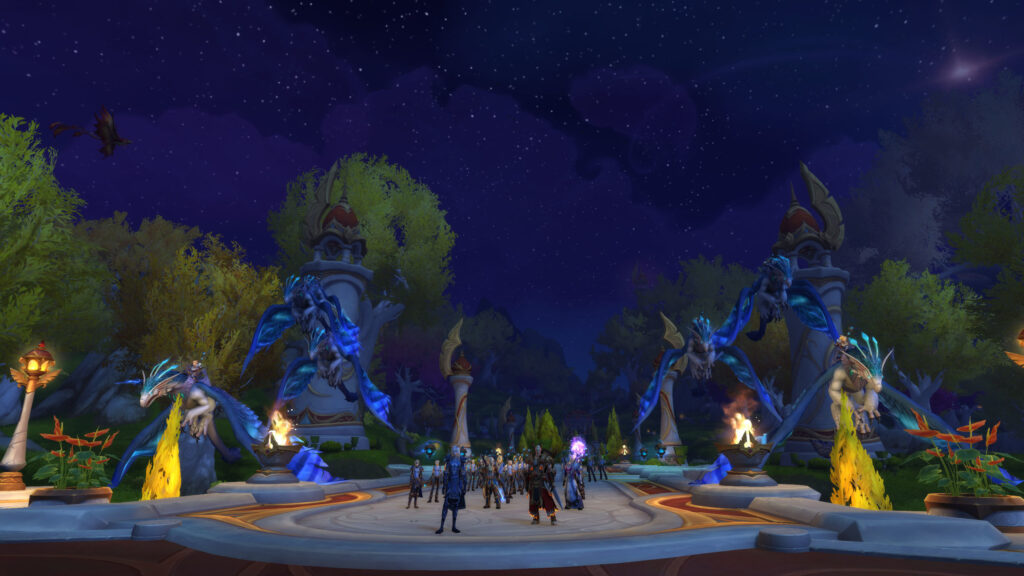
During the BlizzCon 2024 announcement of World of Warcraft: Midnight, Metzen framed the expansion around a central theme: the reunification of the scattered elven tribes of Quel’Thalas. This concept resonates deeply with Warcraft’s broader narrative history, as the elven peoples have been divided by catastrophe, ideology, and cosmic corruption for thousands of years. From the original split between Highborne and Night Elves following the War of the Ancients, through the Blood Elf addiction crisis after the Scourge invasion, to the Void Elf transformation following Alleria Windrunner’s discoveries, the elven peoples of Azeroth have never been more fractured.
Metzen’s approach to this reunification storyline draws on the classic Warcraft storytelling formula that made him famous: vulnerable heroes with complicated pasts, political intrigue among familiar characters, and a balance between cosmic-level threats and deeply personal character drama. Rather than presenting elven reunification as a simple diplomatic agreement, Metzen’s narrative forces each elven faction to confront the historical grievances, cultural traumas, and cosmic alignments that have kept them divided. The result is a storyline that treats elven politics with the seriousness and complexity it deserves while delivering the action-adventure pacing that World of Warcraft players expect.
- Blood Elves: Struggling to maintain their rebuilt homeland while confronting the lingering consequences of their arcane addiction and alliance with the Horde
- High Elves: Seeking to reclaim their ancestral heritage and reestablish their presence in Quel’Thalas after centuries of marginalization
- Void Elves: Returning to Quel’Thalas as transformed beings who must prove that their Void corruption does not make them enemies of the elven people
- The Arathi Connection: The human descendants of the ancient Arathi Empire play a crucial diplomatic role, as their historical alliance with the high elves predates all current elven divisions
The Void Elf storyline presents the most compelling dramatic challenge in Metzen’s reunification narrative. Void Elves were originally Blood Elves who were transformed by Void energy under Alleria Windrunner’s guidance, and their home nation of Quel’Thalas historically regarded the Void as an existential threat comparable to the Scourge. Convincing Blood Elves and High Elves to accept Void Elves as legitimate members of the elven community requires addressing deep-seated cultural fears and prejudices that no amount of diplomatic rhetoric can easily overcome. Metzen’s solution, as evidenced in the Midnight campaign, involves the Void Elves proving their loyalty and value through direct action against the Void Lord Dimensius, the same cosmic threat that all elven peoples face equally.
Character-Driven Storytelling and Key Figures
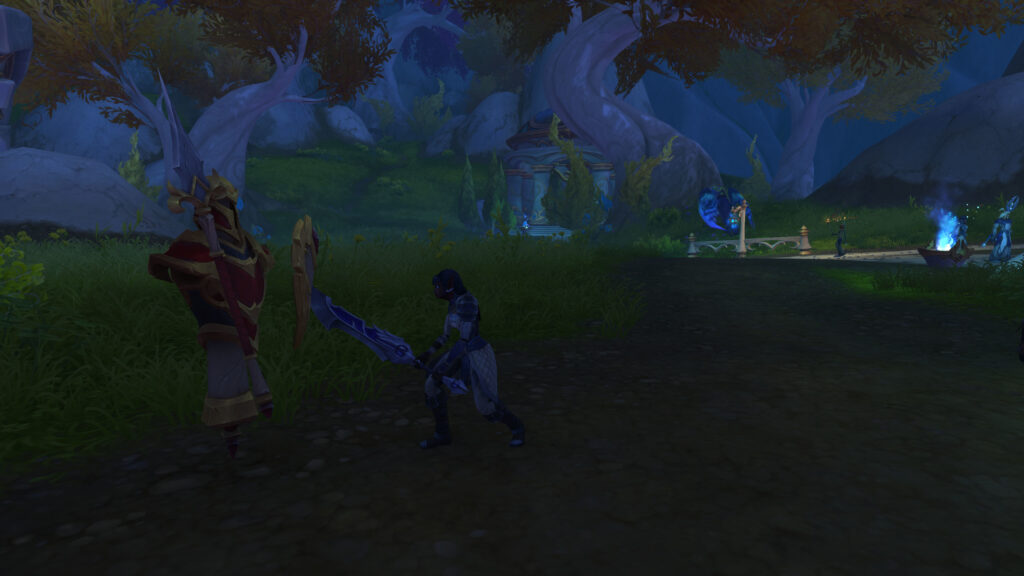
Central to Metzen’s elven reunification storyline are the character arcs of several key figures who embody the cultural and ideological conflicts between elven factions. Lor’themar Theron, Regent Lord of Quel’Thalas, serves as the primary political leader whose decisions will determine whether reunification succeeds or fails. Throughout the Midnight campaign, Lor’themar is forced to balance the pragmatic needs of defending Quel’Thalas against the Void invasion with the emotional and cultural resistance of his own people to accepting former enemies as allies.
Alleria Windrunner’s role in Midnight represents the culmination of her character arc that began in Legion and continued through Battle for Azeroth and The War Within. As the figure most responsible for the creation of the Void Elves and the elven people’s foremost expert on Void threats, Alleria serves as both an advocate for Void Elf acceptance and a controversial figure whose own relationship with the Void makes many Blood Elves deeply uncomfortable. Metzen has crafted Alleria’s storyline to acknowledge this tension directly rather than sidestepping it, creating narrative moments where Alleria must confront the legitimate fears of Quel’Thalas’s residents even as she fights to save them.
| Character | Faction | Role in Reunification |
|---|---|---|
| Lor’themar Theron | Blood Elf | Regent Lord of Quel’Thalas, ultimate political authority |
| Alleria Windrunner | Void Elf | Void expert, advocate for Void Elf acceptance |
| Archmage Modera | High Elf / Kirin Tor | High Elf representative, political negotiator |
| Arathi Vanguard Leader | Human (Arathi) | Diplomatic mediator between elven factions |
| Haranir Representative | Ethereal | Ally against Dimensius, proves external threats unite elves |
The inclusion of the Arathi Empire’s representatives as diplomatic mediators in the elven reunification process is one of Metzen’s most inspired narrative choices. The Arathi were the original human civilization that allied with the high elves during the Troll Wars, and their historical connection to Quel’Thalas predates every current elven division. By positioning the Arathi as neutral mediators who can speak to all elven factions with credibility, Metzen creates a plausible pathway for reunification negotiations that does not rely on any single elven leader having impossible levels of charisma and diplomatic skill.
Metzen’s Classic Warcraft Storytelling DNA
Analysis from developers and writers working on Midnight reveals that Metzen’s influence extends far beyond the broad strokes of the elven reunification storyline. His fingerprints are visible in the specific character beats, the political intrigue subplots, the treatment of legacy Warcraft lore elements, and even the visual design of key story moments. Metzen has consistently advocated for storytelling choices that honor the complexity of Warcraft’s established universe rather than simplifying it for accessibility, trusting players to engage with morally ambiguous characters and politically nuanced narratives.
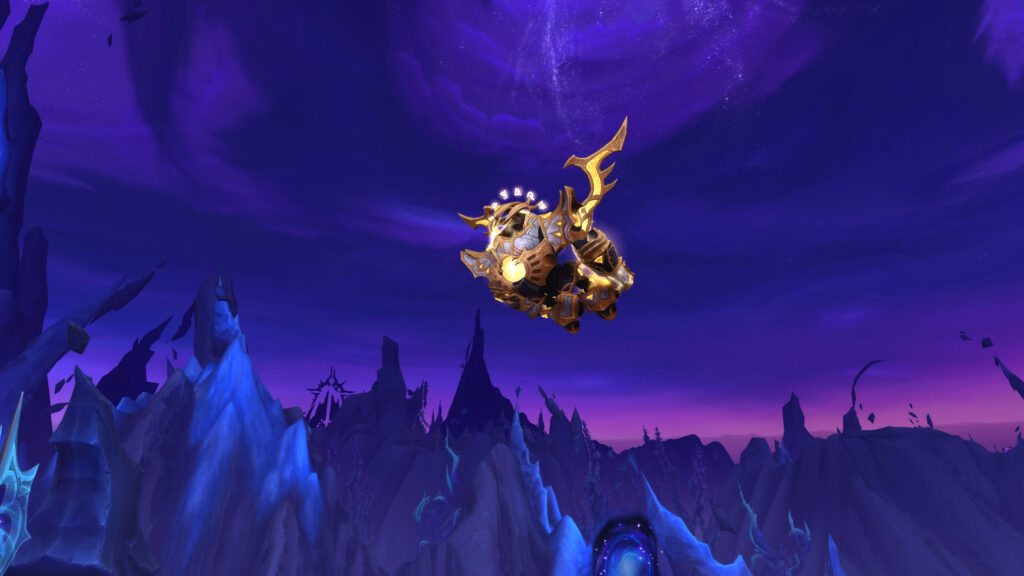
One notable example of Metzen’s classic approach is his treatment of the Blood Knights, the Blood Elf paladin order that originally drew their power from the captured naaru M’uru. In Midnight, the Blood Knights face an identity crisis as their historical relationship with Light power sources is reexamined in the context of the restored Sunwell and the Void invasion threat. Rather than resolving this crisis with a simple narrative handwave, Metzen’s storyline forces the Blood Knights to confront the question of whether their power source — and by extension, their entire cultural identity — can coexist with the elven reunification project. This is the kind of deep, lore-respecting storytelling that has defined Metzen’s best work throughout his Warcraft career.
- Vulnerable heroes: Characters like Lor’themar and Alleria are written with acknowledged flaws, doubts, and conflicting motivations rather than as flawless champions
- Political complexity: No elven faction is presented as entirely right or wrong; each has legitimate grievances and valid concerns that must be addressed
- Lore continuity: Midnight’s storyline builds directly on events from The Burning Crusade, Legion, and Battle for Azeroth rather than retconning or ignoring established history
- Personal stakes: The cosmic threat of Dimensius is made emotionally impactful by connecting it to specific character relationships and cultural histories
- Adventure focus: Despite the political and narrative complexity, Midnight remains fundamentally an action-adventure experience with exciting combat, exploration, and discovery
Metzen’s return to World of Warcraft storytelling through Midnight represents the most authentic expression of Warcraft’s narrative identity the game has experienced in years. His commitment to elven reunification as the central theme of the expansion ensures that Quel’Thalas’s story in Midnight will be about more than just defeating a cosmic threat; it will be about whether a civilization fractured by tragedy, ideology, and cosmic corruption can find the strength to come together when survival depends on it. For players who have followed the elven storyline since its inception, Metzen’s treatment of this material in World of Warcraft: Midnight is the culmination of a narrative journey that has been decades in the making.


Leave a Reply